Linda Givetash is a multimedia storyteller for major international news outlets specialising in character-driven and solutions-focused stories about human rights, health and climate change.
xxx
Featured



Connect
 ——–
——– —– \
—– \ —–
—–

Linda Givetash is a multimedia storyteller for major international news outlets specialising in character-driven and solutions-focused stories about human rights, health and climate change.
xxx
——–—– \—–
This story was featured in Quartz
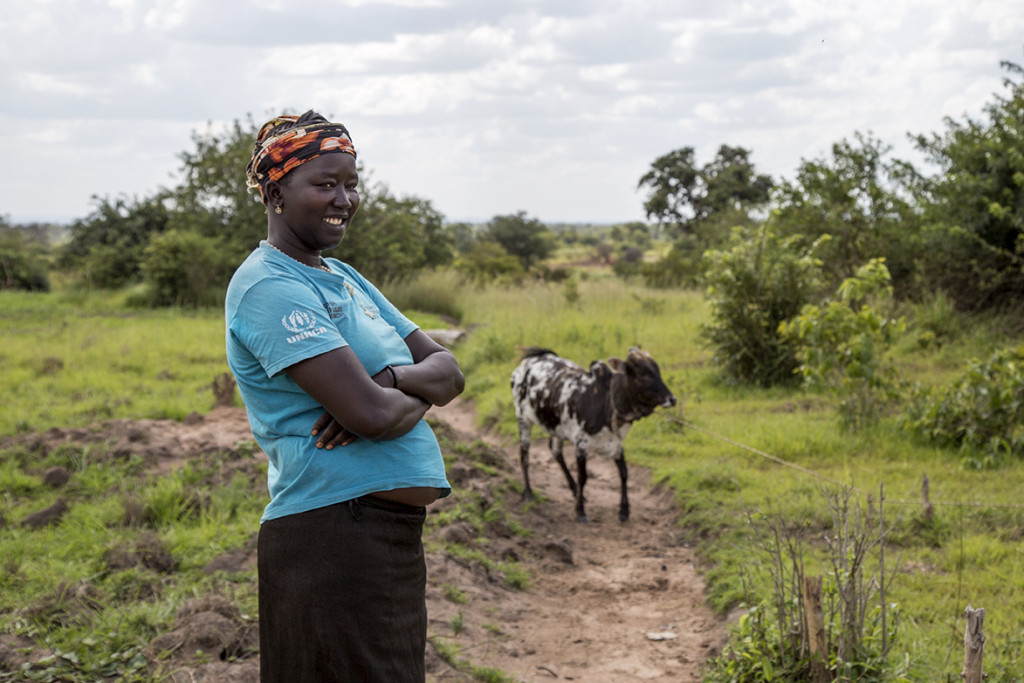
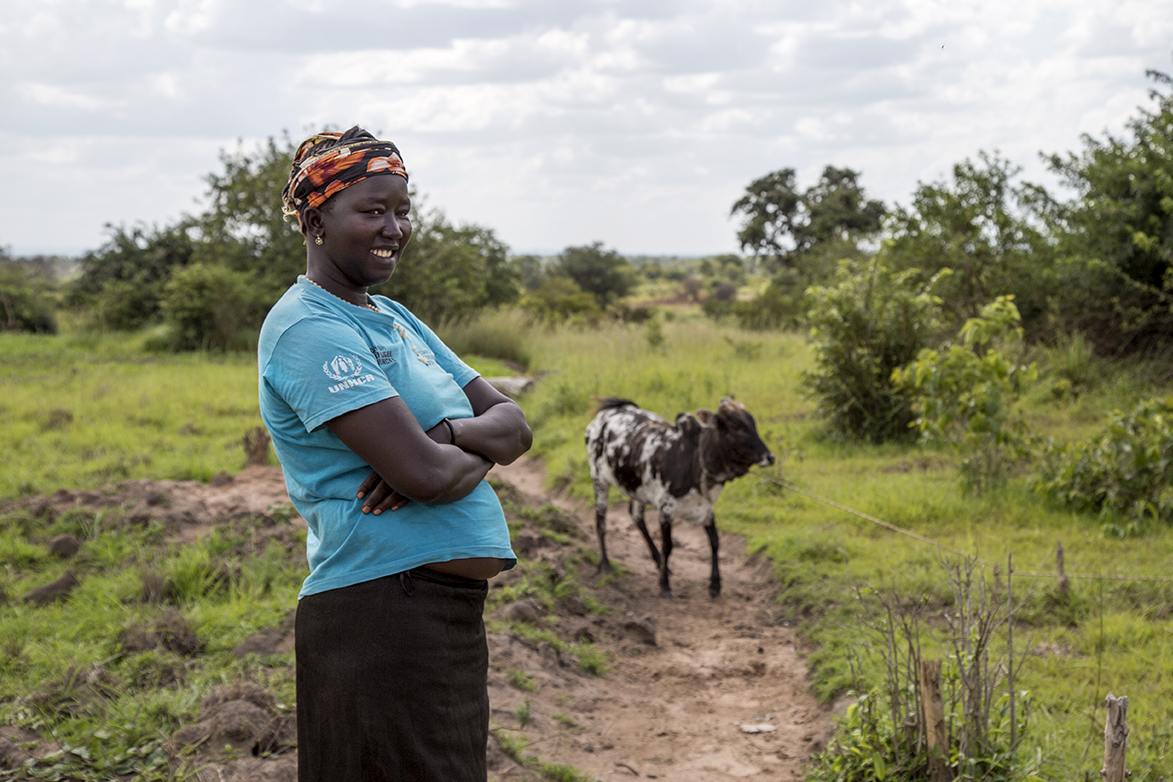
On a small farm in northwestern Uganda, Nyantet Malual proudly shows off the cow she bought with earnings from her last harvest. The ability to own property and provide for her family was only a dream for the South Sudanese refugee when she arrived in the country two years ago.
“Now I’m sitting here, I buy my goat, I buy a cow, but when (I was) in Sudan I cannot,” she said. “Here in Uganda I am free.”
The number of refugees in Uganda is hitting half a million people, up by 75,000 from 2014. Many refugees like Malual are gaining financial independence because of the country’s progressive 2006 Refugee Act that allows them to work, travel and access public services including education.
These policies are seemingly unexpected in a country where the GDP per capita is a mere $696. Youth unemployment is also incredibly high, at an estimated 60% to 83%.
But it’s not just the refugees reaping the benefits of having rights and freedoms comparable to citizens.
A 2014 study by the Humanitarian Innovation Project (HIP) found that over half of refugees were self-employed — operating small businesses, selling goods as informal vendors, or engaging in trade.
In Kampala, 21% of refugee business owners said they hire people that are not family members and 40% of those employees are Ugandan nationals, according to the study.
“I think there is a general tendency for people to see refugees as a simple burden,” said Naohiko Omata, a research officer involved in the study. “But Uganda’s case shows they also have the capacity to contribute to the host community.”
And Ugandan government officials have taken notice.
“They pay taxes and they also pay some other required dues by the local municipalities and that revenue goes back to the state,” said Solomon Osakan, refugee desk officer for the northwestern Arua district.
Even in rural areas, the HIP study found refugees contributing to the local economy. Nearly a quarter of refugee business owners surveyed in the Nakivale and Kyangwali settlements considered Ugandan nationals as their largest customers.
At the Rhino Camp settlement, Malual said although transportation is a challenge, women in her village sell crops at markets closer to the urban hub of Arua Town.
Although refugees are taking advantage of their right to work, there is a cost to helping them settle and providing them with medical or social services.
International aid plays big a role in supporting refugees in this transition. The UN refugee agency UNHCR alone budgeted US$209.9 million for its operations in Uganda in 2014.
The money also benefits local citizens living in refugee-populated communities. UNHCR allocates 30% of their budget to support development in these regions.
The country’s welcoming policies for refugees weren’t founded on the economic benefits—it began as a moral obligation. Many senior Ugandan officials, including President Yoweri Museveni, were asylum seekers during past conflicts in the country.
“While they were refugees they went through hardship so when they came back they understood the plight of the refugee,” Osakan said.
Having an accepting attitude toward refugees opened the door to economic possibilities, according to HIP researcher Omata. The examples of productive refugees in Uganda are lessons the world can learn from.
“If you don’t allow them to work at all, these kind of things are this less likely to happen,” Omata said.
This piece was featured by NBC News
MARONI, Cyprus — The salty water of the Mediterranean in plain view from Charis Christoforou’s olive farm is no help to the cracked, white earth suffering from a third year of drought.
A shortage of rain combined with clouds of dust carried over from the water-starved Middle East has slashed Christoforou’s olive production to a quarter of what it was less than two decades ago. Even cactuses are struggling to survive.
But there are few easy fixes as this island nation of almost 1.2 million people faces the looming reality of life without fresh water.
Cyprus and other countries in the eastern Mediterranean are increasingly vulnerable to drought as the changing climate brings higher temperatures and less precipitation, according to Petteri Taalas, the general secretary of the World Meteorological Organization.
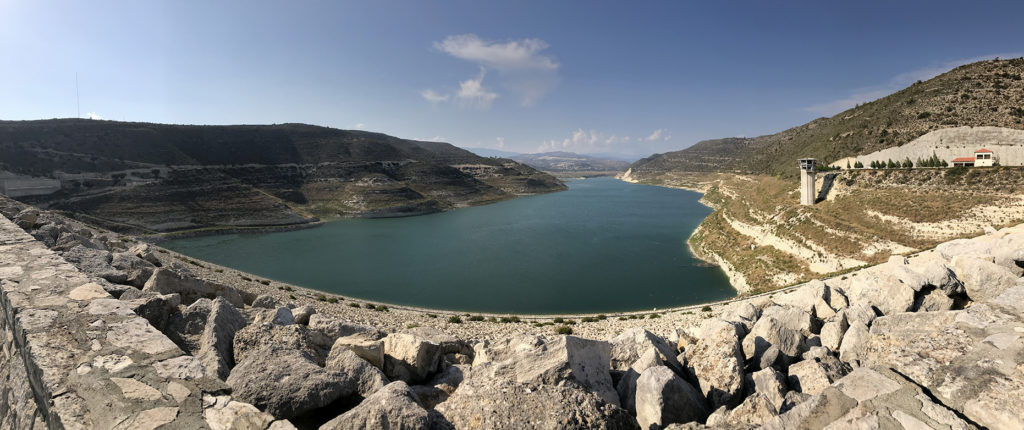
Reservoirs behind dams are at just 21.9 percent of capacity across Cyprus.
The government here imposed restrictions on using water for irrigation this month. The move was unpopular with farmers, but officials say it is the only way to prevent the reservoirs from running dry before the end of the year.
Taps continue to flow in urban areas because of a supply of more costly potable water that has been transformed from seawater by four desalination facilities.
“This is not enough,” said Theodoulos Mesimeris, a climate-change expert with the country’s environment ministry.
The semi-arid country is accustomed to periods of drought, but Mesimeris said the frequency of these dry conditions is expected to increase over the next decade. At the same time, demand for water has increased because of a growing urban population and booming tourism sector.
“The needs we have today, they are very different from the past,” he said. “It’s a difficult issue to handle.”
Dead grass crunches beneath Christoforou’s feet as he walks through the farm he inherited from his father in 2015. Despite the challenges of a changing climate, he said he remains optimistic that the business will be sustainable.
The 34-year-old mechanical engineer said he’s trying everything to reduce his costs and keep up production.
He has access to public water, but it costs twice as much as pumping from his own boreholes. That’s become an expensive necessity now that his wells have started drawing salt water as the Mediterranean leaches into the barren aquifers below.
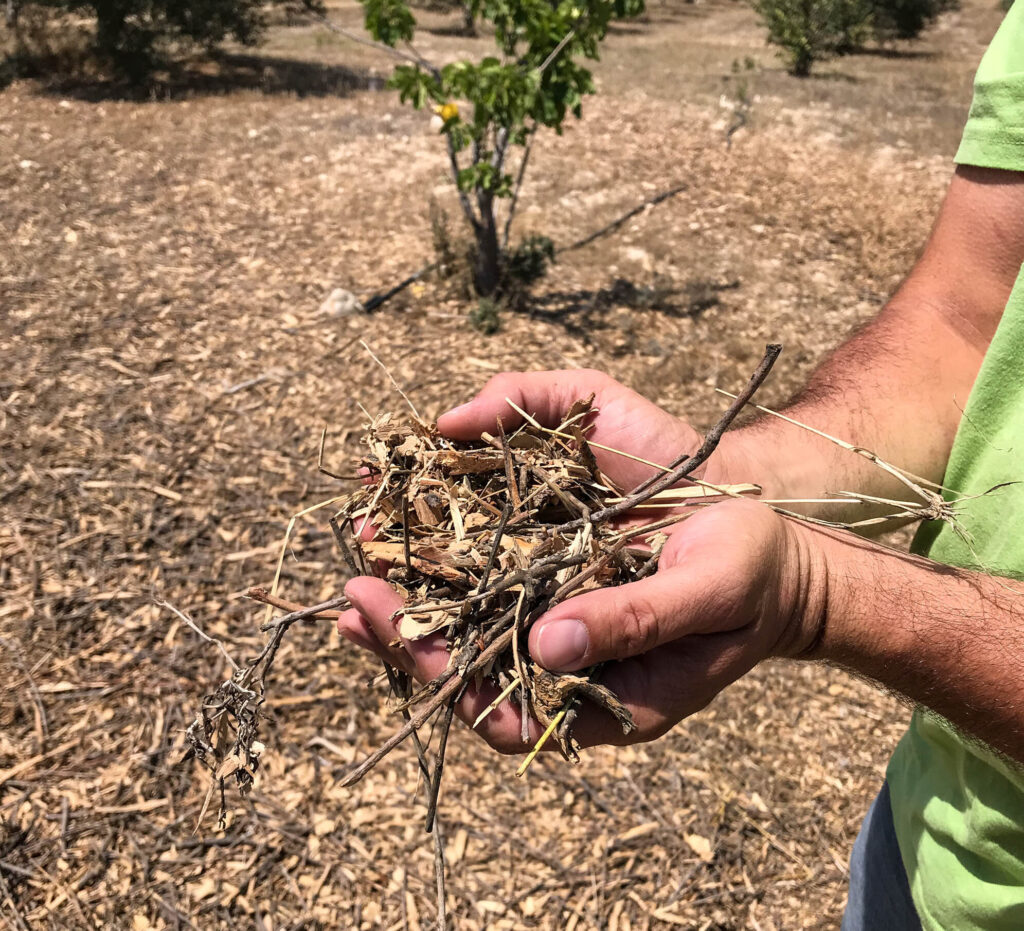
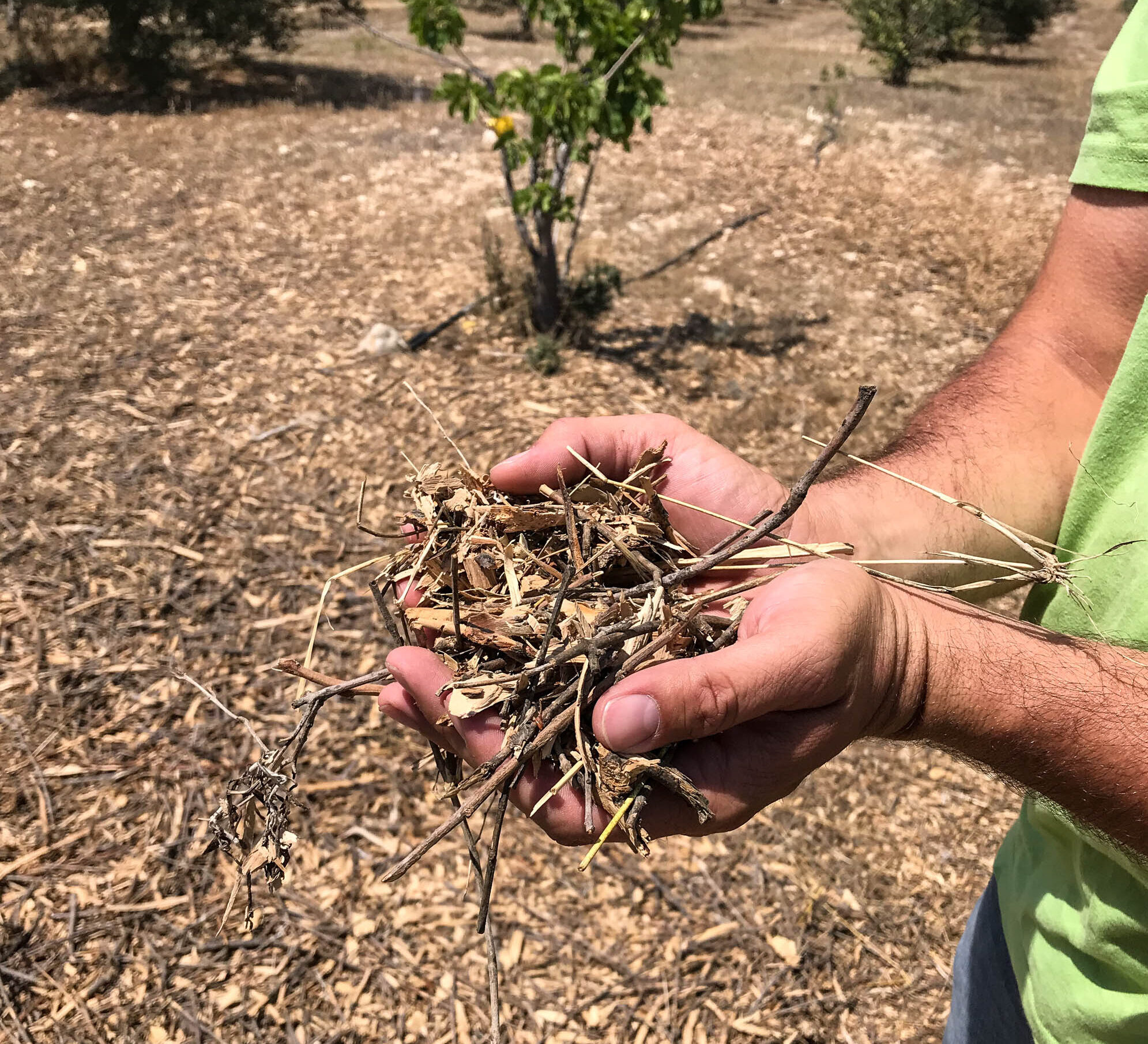
To deal with the lack of rain, Christoforou said he’s stopped tilling the soil to lock in moisture, makes mulch out of the dead grass and twigs to diminish the sun’s rays, and uses natural traps to keep insects away.
In addition to dry conditions, extreme weather is also taking a toll. Christoforou’s attempts to grow grapes were dashed by rare hailstorms that hit the island in the first few days of June. The Ministry of Agriculture said that resulted in nearly 100 percent losses for some crops.
Christoforou sees tourism as a potential revenue stream to support his struggling organic farm. He plans to build villas on the property where tourists can stay to taste his organic olive oil, honey and herbs and learn about sustainable farming practices.
But he’s less certain about the island’s agriculture industry as a whole. Christoforou said he’s the only organic farmer in the area. Neighboring farms continue tilling their soil, increasing the risk for erosion when rains come in sudden sweeps.
“I don’t think they have a future,” he said. “If they don’t change their ways to be more eco-friendly, they will have problems.”
Adriana Bruggeman, a professor of hydrology and water management at the Cyprus Institute, a research organization, said no matter what civilians do to conserve water, there is simply not enough of the natural resource to fill the need.
But most of the 3.65 million sun-seekers who visited the island last year — including 1.25 million from the United Kingdom — were most likely oblivious to the crisis.
“It’s nothing like Cape Town,” she said, referring to the South African city’s crisis this year, which forced residents to forgo regular showers and flushing toilets. “In the cities, for tourism, nobody will notice.”
Cyprus has learned to manage drought through experience. A similar crisis in 2008 forced the country to import water on tankers from Greece.
Yiannis Papazoglou, a mechanical engineer with the country’s water development department who was involved with bringing water in from abroad, said he hopes that scenario won’t be repeated.
The reservoir behind the Kouris dam — the largest in the country — is down to just 16.7 percent of its capacity. Papazoglou said that is better than a decade ago, when the volume of water dropped to well below 1 percent.
By restricting the use of water for agriculture, he said the department is ensuring there is enough water for this year and next if drought conditions persist.
The nearby city of Limassol is supported by a desalination plant that converts around 10.6 million gallons of water daily. The facility is operated privately and the water is then sold to the government and distributed.
A half-mile pipe sucks in water from the Mediterranean Sea, filtering out as much debris as possible, explains Giannis Gounarides, a mechanical engineer with operator MN Limassol Water Co. The water then works its way through a complex filtration system developed by Israel’s national water company, Mekorot, that includes reverse osmosis and the addition of minerals and chlorine for taste and safety.
The water costs about 85 cents per cubic meter (264 gallons) — much higher than the 10 to 12 cents it costs to treat and distribute the same amount of fresh water.
The government turned off the taps to seasonal crops this month, meaning significant losses for farmers.
Permanent crops, like trees that are harder to replace when they die, are receiving roughly 25 percent of their water needs simply to keep plants alive.
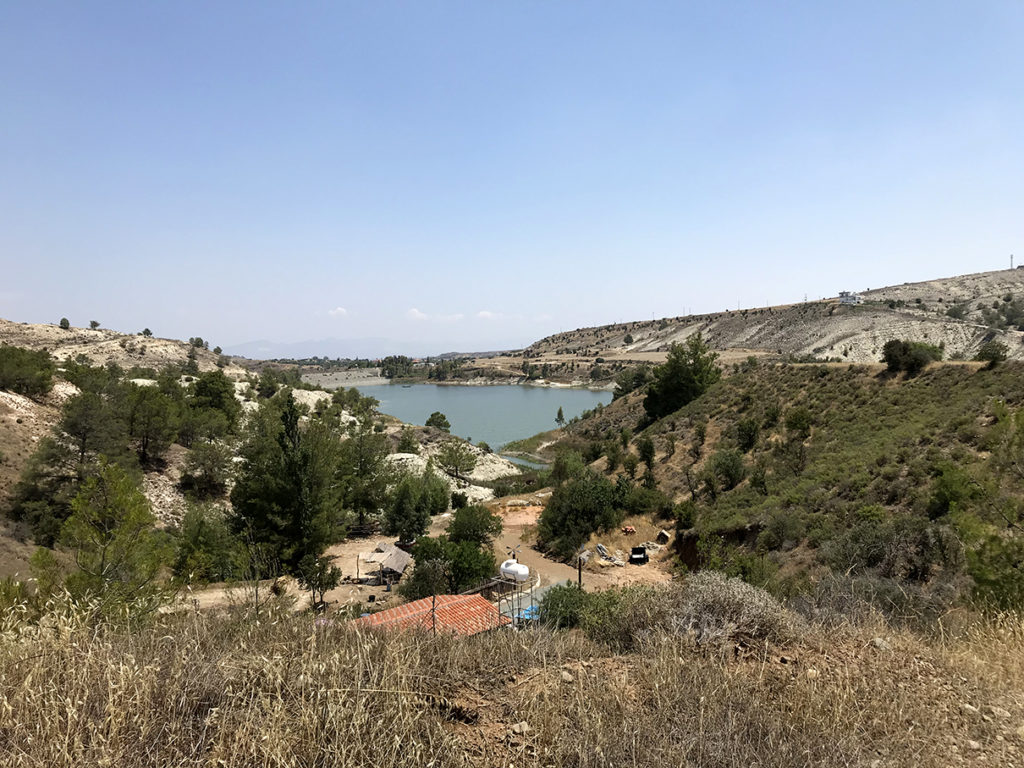
The Riverland Dairy Bio Farm is in the center of the island, roughly 30 miles from the south coast. Vassilis Kyprianou raises goats and sheep and produces hay and seasonal crops in greenhouses there.
To support his own water needs, Kyprianou has three boreholes and captures rainwater in two massive tanks. Without regular rain, the tanks are getting low and crops are suffering.
Kyprianou said he produced 55 percent less hay compared with years when rain is adequate. It means he’ll have to import feed from overseas — at a 35 percent higher cost than growing it himself.
Pumping groundwater is also becoming more expensive as the diesel required for the job increases in price, he said. “I worry about this, but I’m always positive,” he said. “I believe nature can make the balance, but we need people to have a vision.”
Kyprianou wants to see the government prioritize the agriculture sector. He said less water should be allocated for tourism areas and conservation practices like what he’s implemented at his property could be scaled nationally. “We could collect water at each house,” he said.
Pambos Hajipakkos, the country’s chief water officer, acknowledges there is plenty of criticism of the government’s efforts to mitigate the crisis. “There is no way I can keep everybody happy,” he said. “I was told by a friend of mine that these days I’m the most hated person in Cyprus.”
Deciding who gets water and how much is a delicate calculation that considers economic and social issues, Hajipakkos said.
Farmers argue they have international contracts they must deliver on and their own livelihoods to maintain, but tourism is a far bigger contributor to the country’s economy. Agriculture represented just 2 percent of the country’s GDP in 2016, while tourism’s direct and indirect contributions amounted to 21.4 percent.
There are also practical considerations when choosing what initiatives to implement. “Would shutting down all the swimming pools really make a difference?” Hajipakkos asked.
Negotiations are underway to expand the capacity of the Limassol desalination plant to produce an extra 5.3 million gallons of water daily. With that increase, Hajipakkos said the city could function without any rainfall.
The construction of a fifth plant on the island is also up for bid for the Paphos region. Long term, Hajipakkos said he wants major pipelines built to better connect the water system across the country in case one of the plants breaks down.
“Things happen,” he said. “Your air conditioner goes
Plans have been developed to improve wastewater treatment and collection at the capital to create more water for irrigation, he said. Farmers are also being encouraged to shift toward more drought-resistant crops.
Hajippakos said he’d like to see heftier fees for homes that use high amounts of water to create incentives for conservation.
“You have to adjust with what you have,” he said.
This story was featured by NBC News
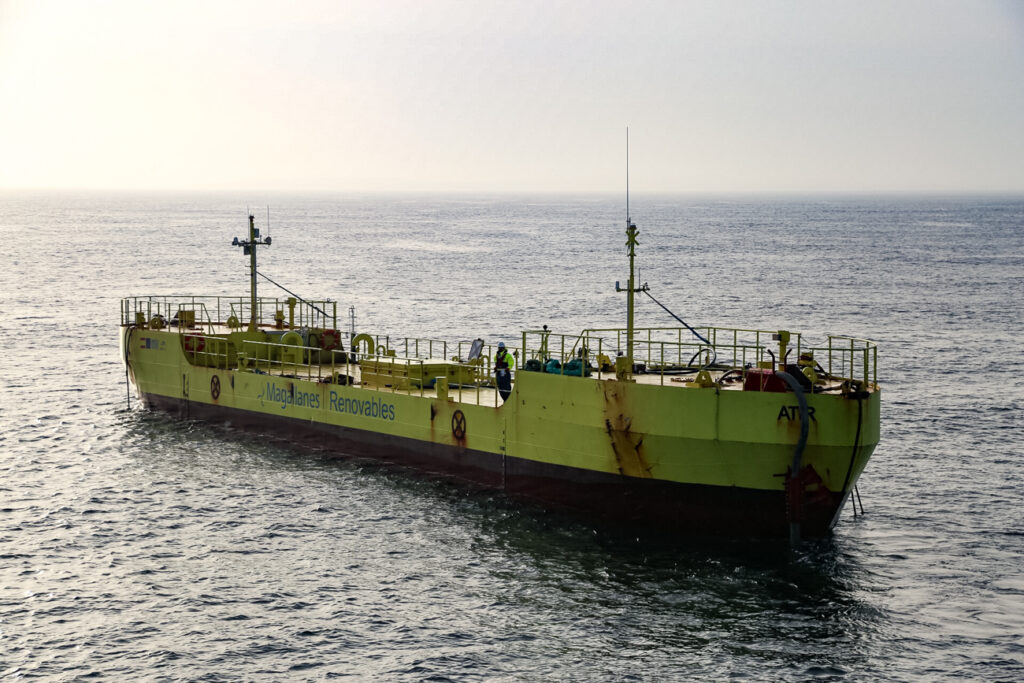
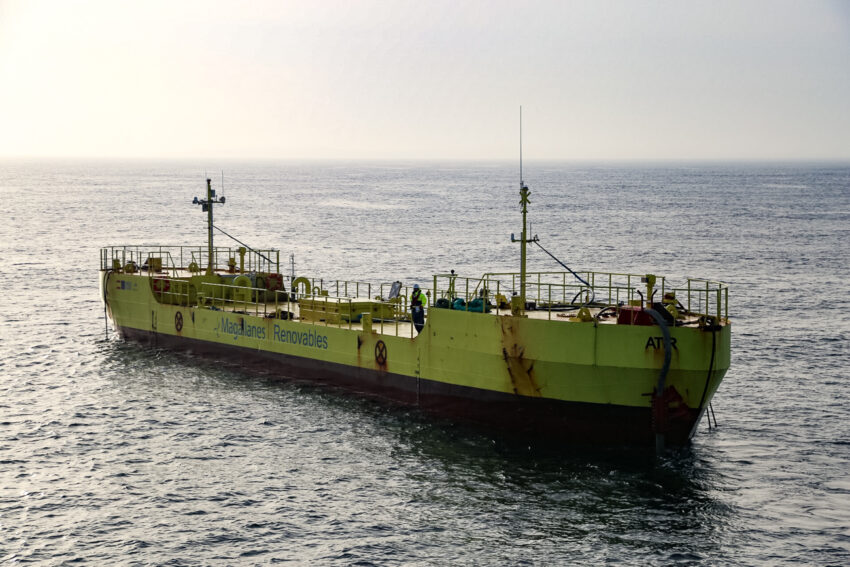
KIRKWALL, Scotland — Huddled inside what looks like a tanker ship anchored about two miles from shore, engineers from the Spanish company Magallanes Renovables monitor two giant rotors below the hull — but instead of driving the vessel, the rotors are capturing energy from the shifting tides.
Here in the Orkney Islands, an archipelago north of mainland Scotland where the Atlantic Ocean and the North Sea meet to generate strong tides, Magallanes Renovables is one of several companies testing devices that could help tidal power systems spread around the globe. The systems work by converting energy from shifting currents into electricity.
“Does it work? Damn right it works. We’ve proven that bit,” said Neil Kermode, managing director of the European Marine Energy Center, a nonprofit research hub in Orkney. “It is very much now a case of deploying the kits we’ve got, and in the act of doing it … it’ll get better.”
Tidal energy is an attractive resource in part because of its reliability. Unlike other renewable energy sources, like wind and solar, it’s predictable even years in advance, Kermode said. Tidal power won’t replace other forms of renewable energy but will supplement them, reducing the risk of outages when one source falters, he added.
The center, established in 2003, was the first such facility in the world. It manages test sites across Orkney, providing tools and infrastructure — such as subsea cables connecting to the area’s power grid — for companies working to develop durable, cost-effective tools for harnessing tidal energy.
Both the physical environment and broader energy market pose challenges for the growth of tidal power.
Specialized vessels and construction equipment are needed to deploy tide-harnessing devices in rough seas; submerged components must be able to withstand salty, fast-moving ocean waters as well as the growth of barnacles and other marine organisms.

Once a device passes the physical tests, it has to prove itself in the market. To attract investors, tidal power must be cost-competitive with other, more well-established sources of renewable energy — such as offshore wind, which has seen significant growth in recent years.
The world’s largest tidal array, designed by the U.K.-based company Simec Atlantis Energy, is already feeding into Scotland’s power grid from the strait between Orkney and the mainland. Its four turbines stand like windmills on the seafloor and spin slowly in the moving water at about seven to 14 revolutions per minute, said Timothy Cornelius, Simec Atlantis Energy’s CEO.
With blades up to 65 feet in diameter, the turbines generate more than 10,000-megawatt hours of energy — enough to power nearly 2,600 homes. When two more turbines are added by the end of 2020, the array should be able to power an additional 4,000 homes. Longer-term plans call for the array to expand to 40 turbines.
While Atlantis is proving that tidal energy works, other companies are developing new devices they hope will be even more effective.
In the Fall of Warness, a channel within the Orkney Islands where water currents can reach 7.8 knots, Magallanes Renovables is testing tidal energy turbines that are anchored not on the seafloor but on the underside of a floating platform.
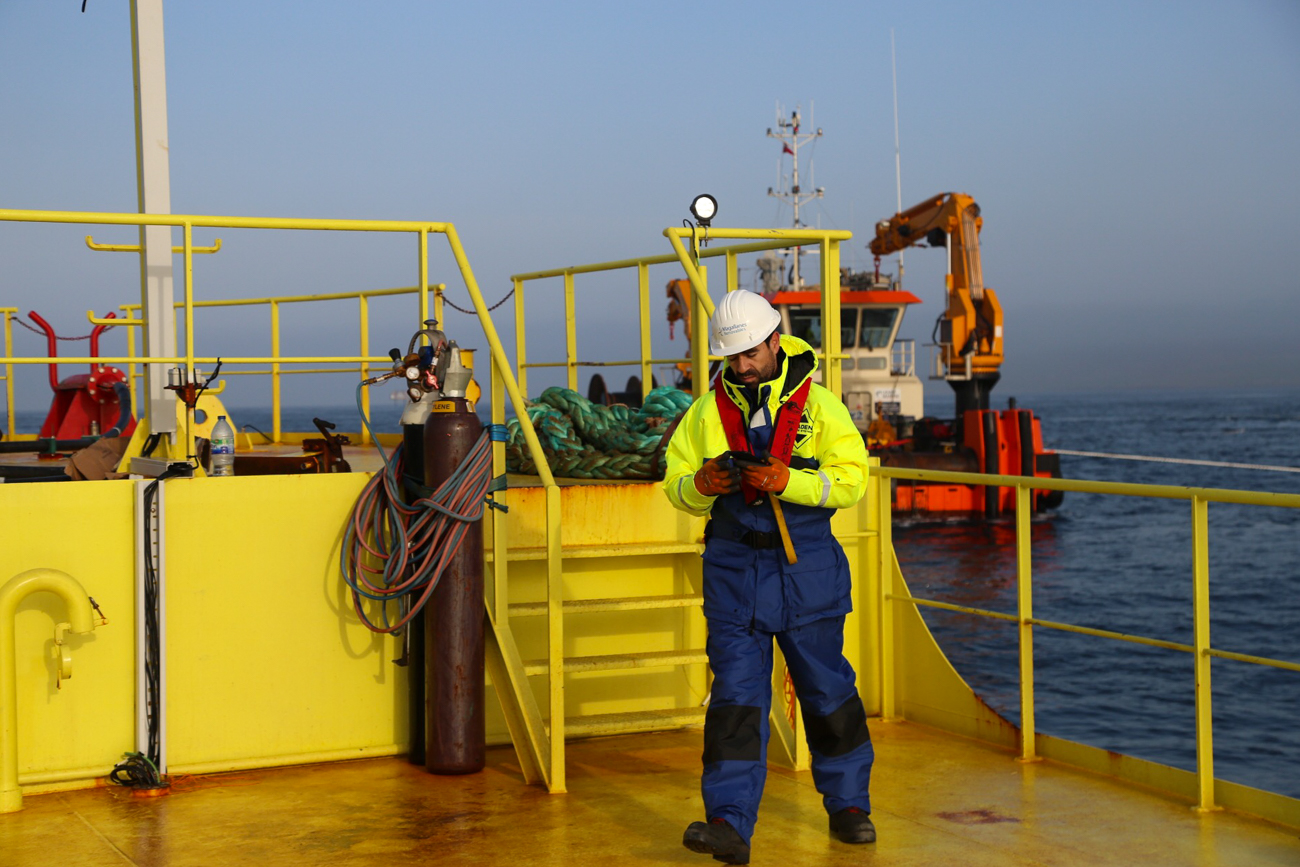
By positioning the turbines near the surface rather than hundreds of feet below it, the design allows for lower installation and maintenance costs, Marques said.
Magallanes isn’t the only company working with barge-mounted tidal energy turbines. The Scottish company Orbital Marine Power successfully tested a floating device that generated more than 3 gigawatt hours — enough to power 830 homes. Orbital Marine CEO Andrew Scott said that next year the company plans to test a system that could generate twice as much electricity.
Global energy consumption rose by 2.1 percent in 2017 and shows no signs of slowing down. At the same time, investments in renewables exceeded $200 billion worldwide, according to a 2018 UN Environment report.
“I think there is a revolution that is starting in the wider energy space beyond electricity power production, and I think it will only strengthen the demand for renewable energy,” Scott said. “And within that demand, tidal has an important role to play.”
This piece was featured in The Globe and Mail
VANCOUVER — A group of 18 people – mostly baby boomers – sit around tables at a downtown Vancouver hotel, laughing and chatting. They’re dressed in jeans and khakis, polos and T-shirts. There’s nothing to suggest this is anything more than a lunch date.
At one table, Landy Shupe furrows his eyebrows, recounting his recent cycling trip around New Zealand. He’s forgotten the details of the trip – exact dates and names of the places he visited – but no one at the table passes judgment. It happens to them, too.
That’s because the members of the group are among the 747,000 Canadians living with some form of dementia. As that number is expected to double to 1.4 million people by 2031, pressure for services is mounting.
For Shupe and his friends, who have early-onset dementia, finding support is particularly difficult. Early-onset dementia is a rare form of the disease affecting people under the age of 65, and as young as their 30s. It accounts for only an estimated 2 per cent to 9 per cent of all cases of dementia. Most dementia services cater to people in their 80s or 90s who are retired and often have multiple health conditions – which is not the case for those with early-onset. Many are forced to stop working at the prime of their careers; they’re physically fit and often have mortgages to pay and young children. Specialized programs for this group are almost non-existent.
“It’s this younger group that is falling through the cracks,” said Amy Freeman, a social worker at the Clinic for Alzheimer Disease and Related Disorders in Vancouver.
Shupe, 59, and his lunch companions are among the fortunate few to be members of Paul’s Club, a privately run Vancouver program designed to give people with early-onset dementia a sense of normalcy and dignity.
Retired nurse Nita Levy and her husband, Michael, a retired accountant, established Paul’s Club in 2012. They were inspired to create a program appropriate for people’s ages and abilities after their brother-in-law, Paul, died as a result of early-onset dementia.
“I always think one should fight back,” Levy said. “Just because somebody has this diagnosis, [they] should not become socially isolated and physically inactive.”
Scraping together fees, donations and grants from Vancity Credit Union, the club now runs three days a week and supports more than 20 members.
Vancouver Coastal Health runs 16 publicly funded adult day programs that are open to people with dementia, but most participants are seniors in their 70s to 90s. Many programs only run four or five hours a day, and people can spend up to a year on a waiting list.
Paul’s Club is very different.
Participants are called members, not patients, and Alzheimer’s is rarely talked about. Like Shupe, the members are all relatively fit and healthy.
The club meets in a downtown Vancouver hotel so members feel like they’re going to work rather than visiting a seniors’ centre. Their meeting space looks like a living room – with big couches, round tables covered by colourful tablecloths and potted plants.
There are no scheduled activities, other than an occasional yoga or music session. The group has morning coffee together, then decides how long they’ll spend reading newspapers, when they’ll go for a walk or use the hotel’s exercise room, or if they should listen to music or watch a movie.
“They have fun. That’s the whole goal of Paul’s Club. It sounds frivolous, but if you boil it all down, that’s what this is about,” Levy said.
Another pillar of the club is long hours – running from 10 a.m. to 4 p.m. This is done intentionally, Levy said, to give families a meaningful break.
“The more respite you provide for a family that has a loved one who has this diagnosis, the longer that family member is going to be able to manage their loved one at home,” she said.
In 20 years of working as a social worker in British Columbia, Freeman said she has seen many families reach a point of crisis due to a lack of support. It often means people with the disease end up in long-term care prematurely.
Before finding Paul’s Club, Shupe’s partner, Lisa Shields, was burning out. Shupe was only 56 when he was diagnosed in 2012 and was forced to leave his job as an engineer years before he intended to retire.
Shields had recently started a technology company and, at the time, the couple couldn’t afford to go from two incomes to none. “I was trying to hold it together, financially and all the rest of it,” she said.

| IMAGE: Lisa Shields says she was burning out caring for her partner, Landy, who was diagnosed with early onset dementia in 2012 until they discovered Paul’s Club, which provides recreation and a social group for people living with the disease.
Shields said Shupe spent the first year after the diagnosis sitting at home watching television. “He was devastated. I could quote his reaction: It was, ‘I might as well dig my grave,’” she said.
Isolation is not uncommon. Freeman said that if a spouse is working full-time, the person with early-onset is stuck at home unless they can afford private care.
Shields said she is fortunate to be able to pay for someone to spend time with Shupe and get him out of the house on the days no other services are available.
Shupe still doesn’t talk about the diagnosis – Shields said in their house, the word “Alzheimer’s” is never uttered. But Paul’s Club has helped improve his mood and attitude, she said.
“It’s fantastic, it’s a miracle,” said Shields. “It even gives us something to talk about, [after]: ‘How was your day, dear?’”
Seeing the benefits for families, those working in health care, such as Freeman, are advocating for more of these resources.
“There needs to be more programs like Paul’s Club with hours that are reasonable for people who are working, programs that are also affordable,” Freeman said. “We do need to put our minds to how we’re going to help this population in the future.” 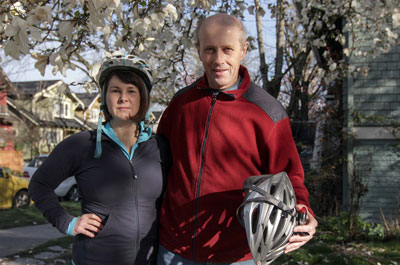
Share this Post
This story was featured by Voice of America
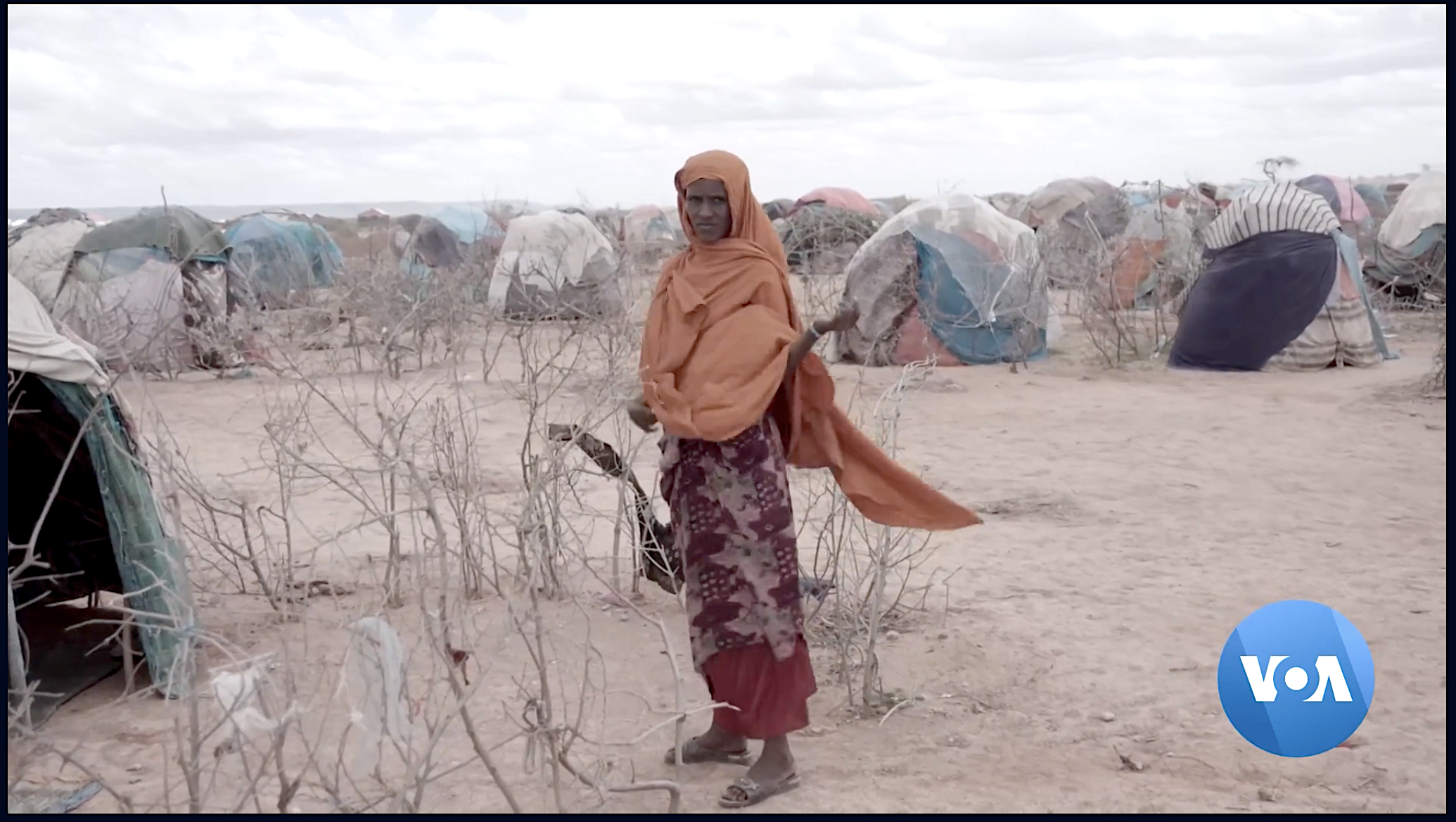
GODE, ETHIOPIA — The record drought in Ethiopia has led to a dramatic increase in desperate parents marrying off their children, says the U.N. Children’s Fund (UNICEF), with reported child marriages more than doubling so far this year. Aid groups are trying to get much-needed water and other help to drought-hit families to try to curb that trend and protect girls. Videographer/video editor: Michele Spatari
This story was featured by Voice of America
JOHANNESBURG — The world is reflecting on the legacy of South African anti-apartheid icon Archbishop Emeritus Desmond Tutu, who died Sunday. The Nobel Peace laureate was known worldwide as a champion of human rights.
Archbishop Emeritus Desmond Tutu is being remembered for his efforts in transforming South Africa into the free Rainbow Nation it is today.
“The Arch” as he was known, died at the age of 90 in Cape Town.
Listen: For VOA’s Daybreak Africa
Tutu’s peaceful activism against the country’s apartheid government is attributed to the avoidance of widespread conflict.
As chair of the country’s Truth and Reconciliation Commission, he showed the world resolution could be attained without violence.
Pumla Gobodo-Madikizela is the research chair in historical trauma and transformation at Stellenbosch University in South Africa.
“After so much tragedy, after so much violence, that sense of hope, that sense of possibility that victims and perpetrators can actually engage in a dialogue, in a way that is much more hopeful than what a vengeful kind of approach offers; that is the legacy of Archbishop Desmond Tutu,” she said.
Tutu was awarded the Nobel Peace Prize in 1984 for his activism.
The international recognition Tutu received never changed his values of equality and public servitude.
Imtiaz Sooliman is chairman and founder of the charity Gift of the Givers and worked with the archbishop.
“When we visited him in Cape Town for the first time, you have this feeling you’re coming to this great man, you know, and how are you going to approach him? He was so easy when you walked in — simply dressed, simple office, such humility…. He was so warm and the embrace that he gave us was so gentle and so caring, you could just see this man exuding love all over,” he said.
Tutu was unaffected by political affiliations as well.
He continued campaigning for equality long after South Africa became a free democracy.
Gobodo-Madikizela says Tutu applied the same scrutiny to the now-ruling African National Congress as he did to apartheid leaders.
“Right after the leadership of Nelson Mandela, he again continued as that voice that was reminding the post-apartheid leaders about the promise of freedom for everybody,” she said. “When he could see that they were leading in a way that was self-serving, he called them out…. His boldness, his moral stature allowed him to do that.”
Gobodo-Madikizela says his criticism fell on deaf ears among many in the ruling party that underwent a national corruption inquiry this year.
Tutu’s campaign to tackle extreme inequality with a wealth tax also remains unfinished. Experts say his death is a moment to reinvigorate the public to take on issues he was passionate about.
June Bam-Hutchison is a researcher with the Center for African Studies at the University of Cape Town.
“The one thing that we’re sort of losing grip on in the everyday is the values, the values of peace, of anti-violence, of an inclusive anti-racism, and non-racialism. … And we need to be reminded now that we’ve lost to Archbishop Tutu that we need to revisit those principles,” she said.
From the head of the African Union to the Dalai Lama, leaders worldwide have been sharing tributes calling Tutu an inspiration to the world.
He is survived by his wife, children, siblings and their families.

Co-produced with Maura Forrest and Gian-Paolo Mendoza
An initiative of the Global Reporting Centre and published by the New York Times

Share this Post
This story was featured by NBC News
DURBAN, South Africa — The sense of shock was palpable as a handful of residents stared at a shopping center in ruins.
Windows were smashed, the parking lot was filled with debris, and “Free Zuma” was spray-painted on the facade of The Ridge, a once-pristine center that sits on Shallcross Road, a major thoroughfare in Durban, a city of 600,000 people on the eastern coast of South Africa.
“Things can be recovered … but there is an impact in the community,” said Richard Ncube, 40, a former police officer whose cellphone repair stand looking out at The Ridge was also burgled in violence that convulsed the country in the wake of former President Jacob Zuma’s detention on charges of contempt of court last this month during his separate corruption trial.
“People who are staying here, buy here,” he said. “Now it’s pretty difficult for them. Where are they going to get food?”
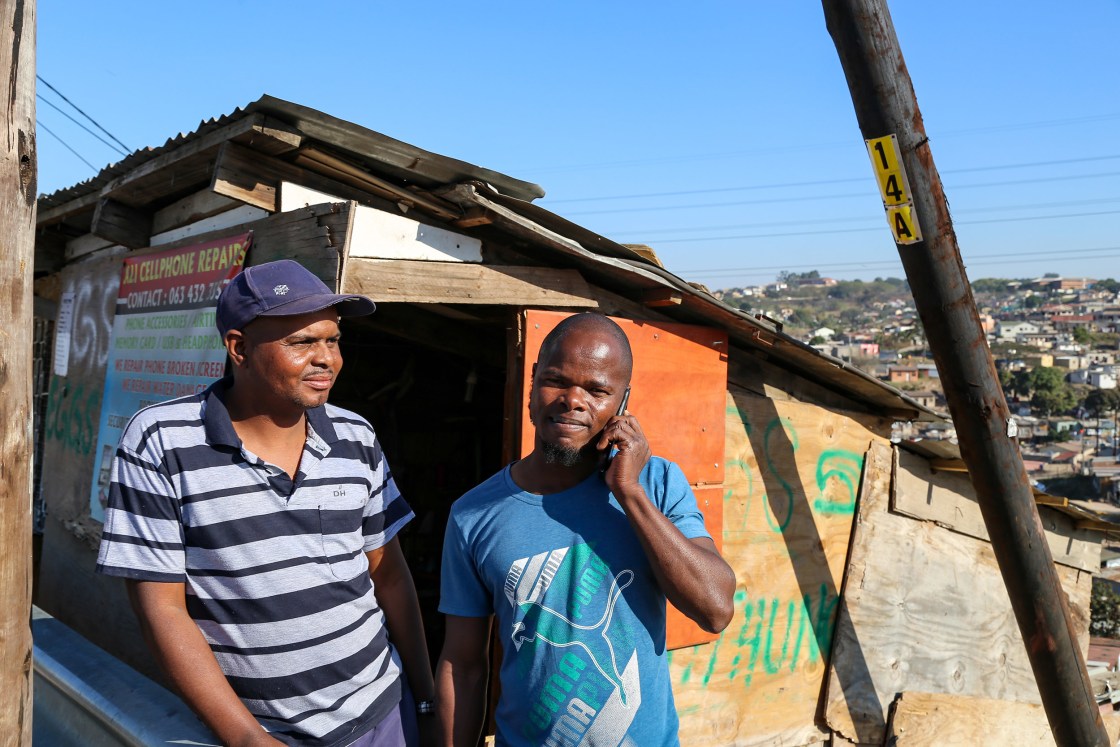
People across South Africa are surveying the damage caused by the politically triggered riots. The city of Durban has estimated over $1 billion in damages and lost goods, which, along with 129,000 jobs at risk, could amount to a $1.4 billion hit to the port city’s gross domestic product.
South Africa’s struggle to end whites-only rule and the brutal apartheid system without plunging into civil war made it an international byword for a victorious fight for democracy. Despite gains made in the last two decades, and even though it runs Africa’s third-largest economy now, millions of South Africans are still struggling, particularly during worsening economic conditions stoked by the coronavirus pandemic.
Violence like what happened last month shows that South Africa must reduce historic levels of inequality and crack down on official corruption, which experts say fueled the unrest. If it doesn’t, such flashpoints could become more common, experts and residents fear.
“Our children are going to grow up knowing that looting is not a crime,” Ncube said. “In 10 years to come, we’ll be doing this every year.”
That Zuma supporters have come onto the streets to express their frustration is no surprise, said Narnia Bohler-Muller, a professor with the Human Sciences Research Council, the country’s public research agency.
“People are sitting with nothing, so it is very easy for fires to be stoked in that regard and take advantage of feelings of frustration in communities,” she said.
The poverty, as well as unresolved ethnic and tribal divisions, will also need to be addressed for South Africa to emerge from its precarious place, Bohler-Muller said in Pretoria.
At the heart of the country’s troubles is the African National Congress, a longtime anti-apartheid party that came to power in 1994 after the country’s first free elections.
The party’s big-tent approach allowed Zuma, a Zulu, to be president for nine years. Zuma secured support from his fellow ethnic Zulus for the party that was previously led by Xhosa peoples — the Nobel Peace Prize laureate Nelson Mandela and his successor as president, Thabo Mbeki.
Speakers of Zulu are over a quarter of the population, making it the most common first language in the multilingual nation; nearly 15 percent of people speak isiXhosa.
Unlike his predecessors — one a freedom fighter and international icon and the other widely seen as a dry technocrat — Zuma relies on appeal resembling that of former President Donald Trump in the U.S., Bohler-Muller said.
“There is this rapport that is built around race, ethnicity, the concern for the poor,” she said. “And he can quite easily mobilize his followers.”
The Gini index, which measures inequality, has remained stagnant since the end of apartheid, hovering over 0.6, making South Africa the most unequal country in the world, according to the World Bank.
Black Africans made up the largest proportion of those below the poverty line in 2015 government data, at 47 percent, while white people made up just 0.4 percent. On the other end of the spectrum, Black Africans accounted for 11 percent of the wealthiest households in 2015 despite being 81 percent of the total population.
Card-carrying ANC member Trevor Kamato, 30, said he is a strong supporter of both Zuma and current President Cyril Ramaphosa. While he doesn’t think the violence diminished support for Zuma, he said it has affected the movement calling for his release.
“It has taken away some level of merit from the protest itself,” he said. “It makes it seem as though it was done for nefarious purposes.”
While Kamato, who is unemployed and lives in Johannesburg, acknowledged the failures of the government, he also said Zuma did a lot of good for the country.
“He has raised or has been vocal about some very important facets of the economy,” he said.
Zuma’s administration had said that during his tenure, it delivered millions of houses to the needy, as well as housing subsidies, and provided grants to over 17 million people in poverty.
That same year, a public inquiry was launched into a range of corruption allegations involving Zuma, from giving preferential treatment to businesses that had long-standing relations with him and his family to appointing Cabinet ministers who benefited private business interests. He also faces corruption and fraud charges in a separate trial regarding a 1990s arms deal, to which he pleaded not guilty this year.
The cost of his tenure to the economy exceeds $35 billion, if not double that, Ramaphosa said at the Financial Times Africa Summit in London in 2019.
Zuma’s supporters are largely a vocal minority. His approval rating upon leaving office in 2018 stood at just 30 percent, experts said. But the effect of the unrest can have wide-reaching effects both within the country and abroad, said Leaza Jernberg, an expert in geopolitics and international security based in Johannesburg.
“We have ports and infrastructure that a lot of countries inland don’t have, and that gives us an economic and political advantage,” she said. “I think that’s going to be our biggest concern, is how do you rebuild that image of South Africa as a gateway into Africa, and is that still appropriate?”
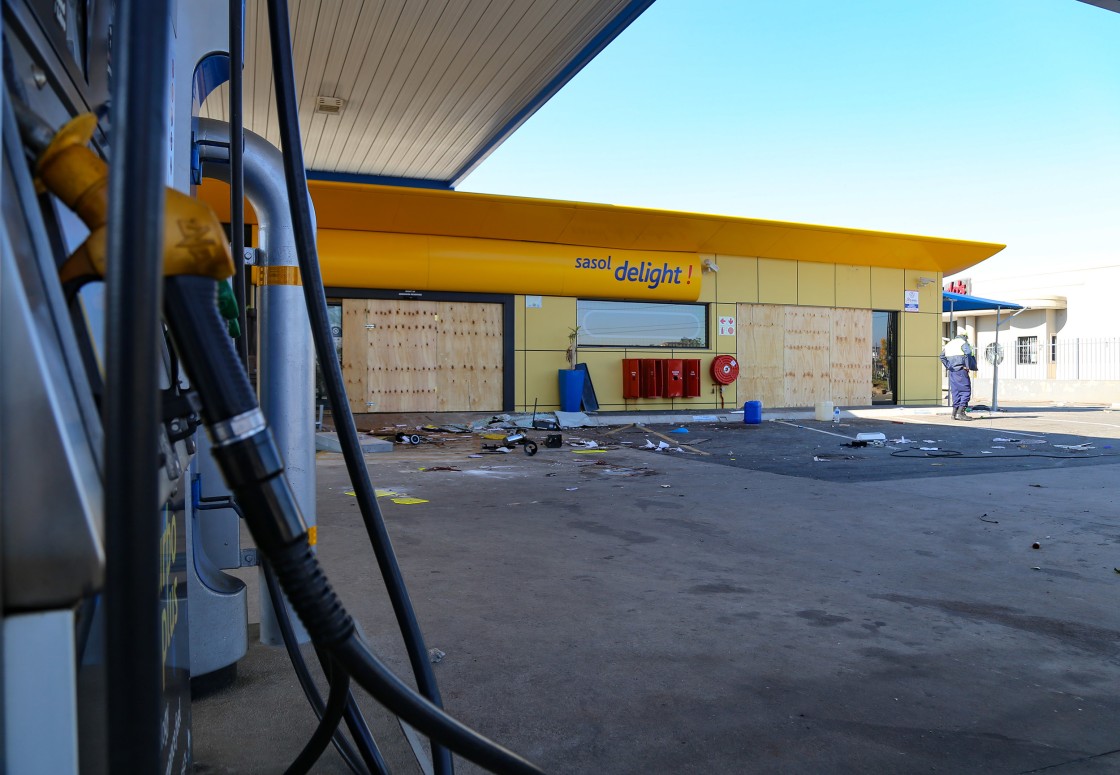
What has been made starkly clear during the last weeks is just how much trust in official institutions has eroded. By 2018, only 30 percent of South Africans said they trusted the national government, down from 67 percent in 2004, according to a national survey.
Support for the century-old ANC, an emblem of modern South Africa, has also declined in recent years. In the 2019 election, it got 57 percent of the popular vote, down from 65 percent a decade earlier.
The persistent loyalty, however, leaves some disillusioned.
“South Africa is for ANC. They can do whatever,” said Dawood Phillip, 28, an employee of the looted cellphone repair shop at The Ridge.
Phillip would seem to be a natural constituent of the party, but he said that if he had to vote now, he would be at a loss about whom to choose.
“I don’t see anyone who is talking good things,” he said.
Bohler-Muller said the Democratic Alliance is perceived as too white for the majority-Black electorate, while the Economic Freedom Fighters are viewed as too radical in their left-leaning ideology.
Jernberg said that until the ANC rebuilds its image or splinters or another party emerges, it will be up to the public, and possibly cities, to set the course of the country.
The courts are also seen as a beacon of hope. Whatever verdict comes out of the corruption cases will send a clear message to the public, reassuring it no one is above the law.
“It will convince people because the court is trusted,” Bohler-Muller said.
It’s a sentiment even a Zuma supporter can agree with.
“The rule of law must always be upheld,” Kamato said. “Regardless of your political stature … if there is any evidence of wrongdoing against anybody, those people should be prosecuted.”
This piece was featured by NBC News
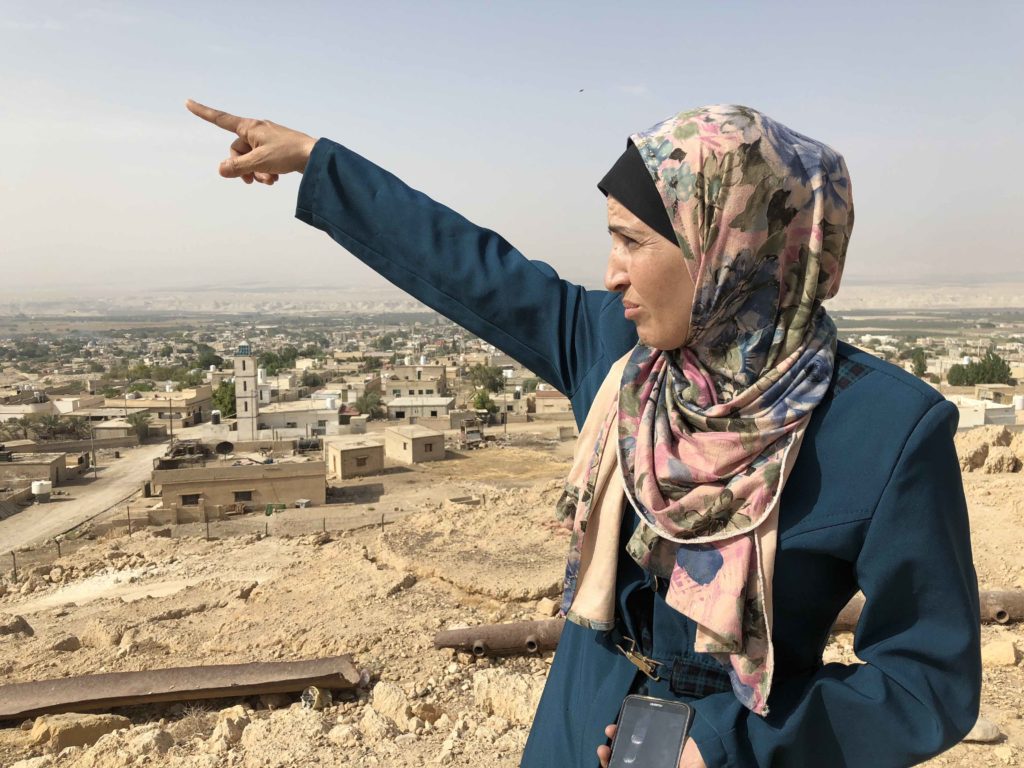
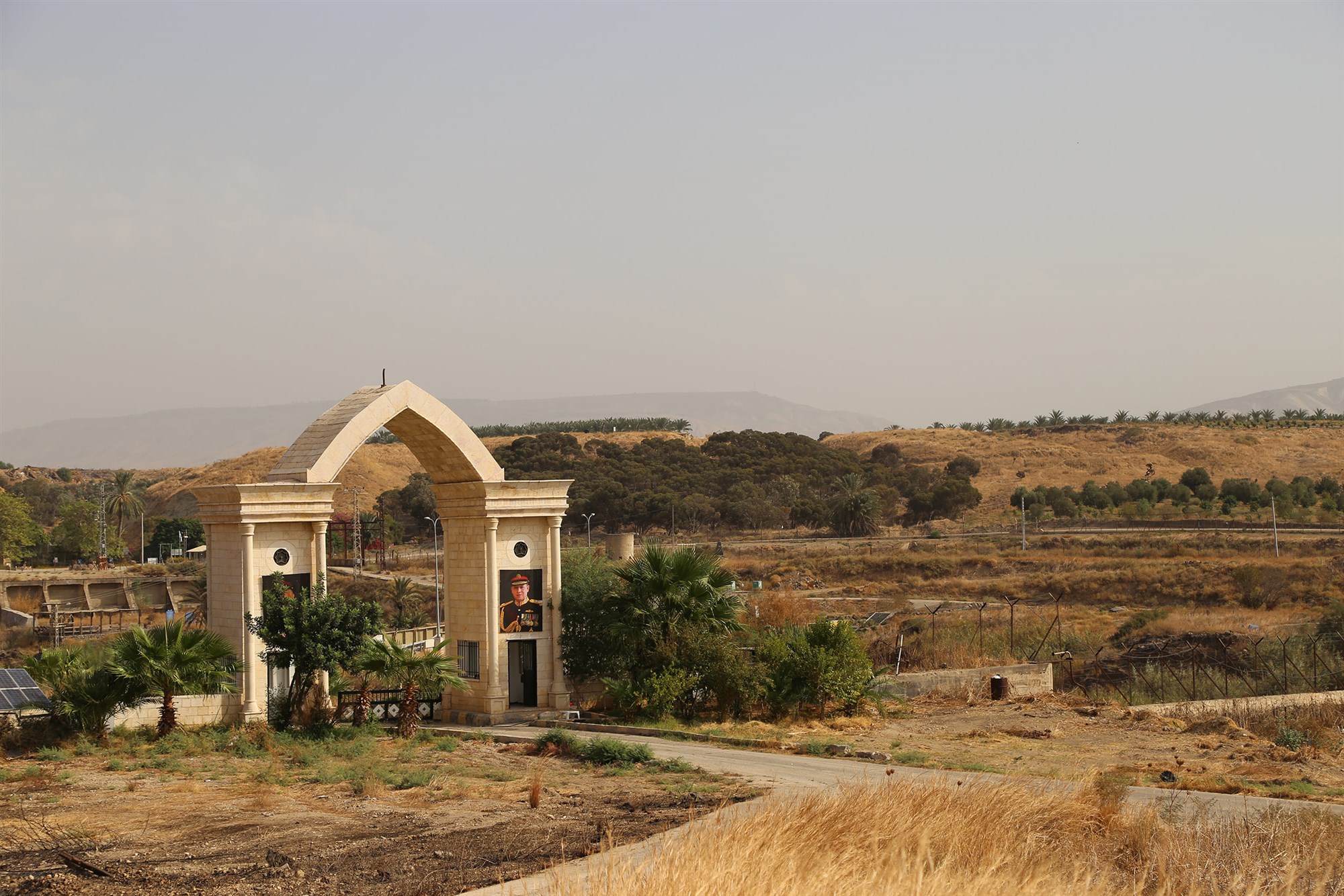
NORTH SHUNA, Jordan — A lush tract of land known as the Island of Peace has thrived in a sea of strife for the past quarter-century, its palm fields and date plantations a stark contrast to the Middle East’s arid conditions and tumultuous politics.
But now the symbol of coexistence shared by Israel and Jordan is falling victim to tensions between the neighbors — with the dispute highlighting the crucial role access to water plays in a volatile region.
Jordan’s King Abdullah II announced last week that Israeli farmers would no longer be able to lease the land, which is nestled among rolling golden hills on the border — just six miles south of the Sea of Galilee and 62 miles north of the Dead Sea.
Israel’s agriculture minister fired back, threatening to reduce the water it shares with its neighbor.
Dams and diversions installed upstream have left the Jordan River that divides the countries as little more than a trickle. The remaining flow snakes through the Island of Peace.
The 1994 agreement with Jordan that created the Island of Peace has been a rare bright spot in Israel’s historically tortuous relations with Arab countries.
“If we don’t cooperate in water, it’s difficult to cooperate in other things,” Ali Subah, the general secretary of Jordan’s ministry of water and irrigation, told NBC News before the king’s announcement.
Access to water is a huge issue across the Middle East, where typically dry conditions, population growth, poor infrastructure and war have strained the little available water — at times sparking unrest. Protests linked to water have broken out in Iraq and Iran, and some experts have linked the Arab Spring uprisings to instability caused by droughts and heat waves.
The 2014 U.S. Quadrennial Defense Review flagged climate change as a security threat that would encourage “conditions that can enable terrorist activity and other forms of violence.”
In addition to Israel, Jordan is surrounded by Syria, Iraq, Saudi Arabia and the West Bank.
Jordan is one of the most water-poor countries in the world, and under rationing, home water tanks are filled weekly.
The Island of Peace was a compromise enshrined in the 1994 deal that ended decades of an official state of war between Jordan and Israel — which also included a water-sharing component. Optimism over the Palestinian-Israeli conflict was running high, and at the time the treaty served as “a phenomenal example” of how “mutual understandings” could be found in the conflict-ridden region, according to Aaron Wolf, a geography professor at Oregon State University.
While the Jordan-Israel pact shows that governments will “talk about water when they won’t talk about anything else,” Wolf added that debates about how to share the precious resource can “exacerbate existing tensions.”
The “amount of death and destruction” linked to water crises — which range from violent disputes to the spread of disease to famine — is on par with the toll from malaria and HIV/AIDS and “almost bigger than all the wars in any given year put together,” according to Wolf.
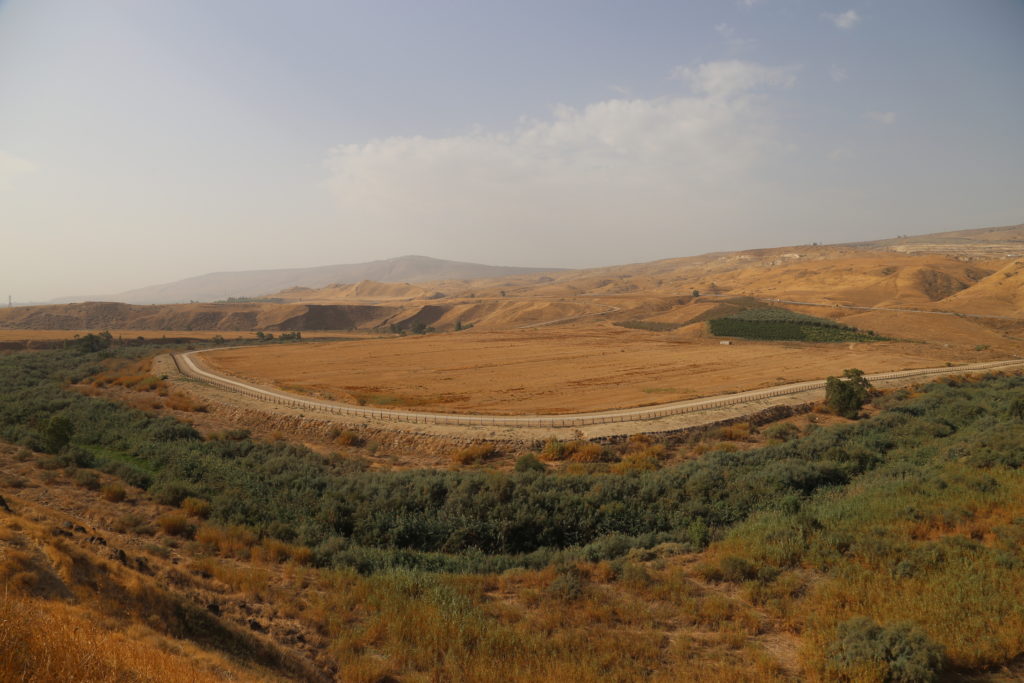
Rain and fresh water resources heed no borders. Prolonged droughts and shifts in precipitation patterns are now exacerbating the issue throughout the region.
Across Jordan’s border in Iraq, the implications of not having access to water were highlighted when at least a dozen people were killed in protests that broke out in the oil-rich southern province of Basra earlier this year after 102,000 people fell ill due to an unclean supply.
Rainfall has decreased in the south and western parts of the country in the past seven decades. Hassan Janabi, a former Iraqi minister of water resources, told NBC News that inflows through the Tigris and Euphrates river systems — the area known as the “cradle of civilization” — have dropped by 60 percent since the 1970s. That has taken a toll on agriculture, which supports one-third of the country’s 32 million people living in rural communities.
“This year I could not plant at all,” said Ali Sagban, a rice farmer in the southern province of Najaf whose farm has faced water shortages for the last five years. “We used to live unsafe lives because of explosions, now we are living without water.”
Another major force behind the decline in water to Iraq is development in upstream Turkey, which has built five dams on the Euphrates since the 1960s. That’s cut the flow to Iraq more than in half, Janabi said.
“When you have these social demonstrations, protests, upheavals … it is dangerous for the country and dangerous for the region,” Janabi warned, referring to the unrest linked to the illnesses. “People are very, very angry.”
Rivers will shrink even more as the imminent filling of Turkey’s newest dam, the Ilisu, will cut flows of the Tigris into Iraq further.
Turkey complied with Iraq’s requests to postpone the filling of the dam in June due to the dry conditions, but the project designed to generate electricity for the country will eventually move ahead.
Turkey insists it is determined not to cause significant harm to its neighbors and is committed to managing water in a way that benefits everyone.
Many Iraqis blame their own government, not Turkey, for not acting sooner to secure water for the future. Construction of the Ilisu dam began in 2006.
The government is “paying no attention to what we are suffering from,” said Rashid Abbas, a corn farmer in the province of Babylon, south of Baghdad. Abbas was among many farmers who led peaceful demonstrations after prolonged drought and the withdrawal of government water for irrigation made planting staple crops impossible this year.
“There was a rumor that the protests are the first step of an uprising,” said Abbas, adding that many local people fear another year of dry conditions could affect the availability of drinking water.
Syria’s seven-year civil war is also seen by some experts as an example of how water shortages can worsen already tense circumstances. Drought didn’t spark the conflict but it did push many unemployed farmers into cities where poverty and frustration encouraged some people to extreme action, Oregon State University’s Wolf said.
The effects of that war has been felt in neighboring countries, including Jordan, that now struggle to support the millions of refugees that put more pressure on resources. Conflict also halts any potential for negotiating water-sharing deals or building shared infrastructure.
“If there is not enough water for people to drink or cultivate crops in the Middle East, and that’s a big concern, those people may need to leave the areas where they live and that could lead to destabilizing migration. It could also lead to an escalation of violent protests,” said Charles Iceland, director of global and national water initiatives at the World Resources Institute.
Iceland pointed to Iran as a particularly vulnerable country for escalating incidents in the future if supplies are reduced by climate conditions or upstream countries.
Earlier this year, protests became violent in the southwestern province of Khuzestan as farmers grappled with water shortages. The government denied any deaths occurred but Al Arabiya news channel reported at least four demonstrators were fatally shot.
Israel has long treated water as a national security issue and has become a global leader in building desalination plants, operating five facilities in predominately public-private partnerships.
But that doesn’t mean that the pressure on water resources has been eliminated. Israel, like Jordan, faces problems ranging from overconsumption to heavy pollution.
Wolf, who specializes in transboundary water conflicts, believes the political rhetoric between Jordan and Israel is typical chest-thumping ahead of negotiations over the Island of Peace and not a sign that the overall treaty is at risk.
“I think at the end of the day they will sit down,” he said. “There is no way out except to cooperate.”
However, others are not so certain.
Yana Abu Taleb, deputy director of EcoPeace Middle East, an NGO that works with both governments as well as as Palestinian authorities, said the recent political discourse is unsettling. She worries it could be a signal that leaders are changing their approach.
While King Abdullah’s move lines up with public animosity toward Israel, Abu Taleb said many Jordanians don’t understand how complex the country’s water challenges are and how the peace treaty is integral in resolving them.
Even before Israel threatened last week to cut the amount of water it shares, rising tensions could already be seen in communities in Jordan.
Neighbors in a once close-knit farming town of Al Karameh quarreled one recent morning after the taps in their homes ran dry.
“All people need water to drink, to wash,” said Roshka Tayyem, a politician, before getting sucked into the heated argument in the middle of the road.
Tayyem’s house didn’t receive its weekly water supply, so her brothers decided to take matters into their own hands.
But as they attempted to fix the exposed pipes at the street corner, some neighbors assumed that Tayyem’s brothers had caused the problem in the first place. Soon everyone was launching insults.
Bassam Salim Rashaydeh, 49, a farmer, said he had to leave his field uncultivated this year because he doesn’t have the water needed for irrigation.
“Farming has been executed here,” he said.
Related
» The Dead Sea is dying. A $1.5 billion plan aims to resurrect it.
» Jordan to drill ‘fossil water’ wells a half-mile underground
» Mideast farmers who use pesticides often find no buyers abroad

This story was featured by NBC News
LAUSANNE, Switzerland — It was the floodwaters brushing her jawline that convinced Theresa Sebastian it was time to get serious about climate change.
The teen from Ireland was in Kerala, India, for a family wedding last summer when the region experienced 40 percent higher-than-average rainfall. More than 480 people died in the torrential rains that swept away cars and destroyed more than 20,000 homes.
“My whole entire life could have ended there,” Sebastian, 15, said, maintaining eye contact through her black-rimmed glasses while pointedly recounting the terrifying experience.“I knew about global warming, but I didn’t think it would affect me so soon.”
While scientists have not definitively linked the Kerala flood to climate change, a recent study cautioned that the disaster was a sign of things to come as global warming reaches the 2.7-degree Fahrenheit threshold.
Sebastian returned to Cork, Ireland, determined to force world leaders to prevent global ecological catastrophe by joining the female-led Fridays for Future school strikes — a movement led largely by teenage girls.

Fridays for Future has eclipsed the quiet, solitary protests started by its founder, 16-year-old Swede Greta Thunberg, in August 2018. Now upward of 2 million supporters from The Hague to Kampala, Uganda, regularly skip class on Friday and take to the streets to protest government inaction on climate change.
Sebastian was among some 450 teen strikers from 38 countries who gathered in Lausanne on the banks of Lake Geneva last month to figure out how to get the world to act now.
Donning sundresses or sensible jeans and T-shirts, or rocking eye-catching hairdos in bright blues, greens and pinks, the girls were as diverse as their countries of origin. But they had found commonality in fighting climate change.
Experts say it is not unprecedented for women to play central roles in social and environmental movements — particularly when it comes to issues that affect health and home.
What is different this time around is just how young many female participants are, said Sherilyn MacGregor, a researcher specializing in environmental politics at the University of Manchester in England.
“It’s children speaking for themselves,” she said. “This moment in history where we have this rising of girls in the climate movement I think is really significant and exciting and… is going to change how we look at this generation of young women.”
Thunberg may have been the voice to rally them, but these young women are quick to cite others figures as role models.
Ariadne Papatheodorou of Athens said she looks up to her mother, Katerina Harvati, a prominent paleoanthropologist.
“I find it really inspiring just seeing other powerful women in powerful positions getting what they deserve because they worked really hard for it,” said Papatheodorou, a tall, outspoken 15-year-old who dreams of studying biochemistry and business.
Peers on Papatheodorou’s basketball team — some of whom were drafted to Greece’s national team — are another source of strength, having taught her about teamwork, she said.

Isabelle Axelsson,18, who has protested in Stockholm alongside Thunberg since December, said she understands why her friend has become a figurehead, although she says she sees her as more of a “catalyst.”
Axelsson, her head half shaved and wearing a red paperclip as an earring, said the movement has attracted many on the margins of society, those facing discriminated against their sexual orientation, disabilities or other characteristics.
“I think it’s easier for people who are already outside society to take a stand,” said Axelsson, who like Thunberg has autism. This could apply to young women who feel they have to fight to be heard, she added.
The issue of climate change also appeals to teens who fight for other causes because they say its consequences will undermine social progress of all kinds.
Papatheodorou said the climate change movement is more broadly about human survival — a topic she is well-versed in. She volunteers with refugees who have made the harrowing journey across the Mediterranean to reach Greece.
“I was born in a household with privileges. I have a house, I have food, I have water, I can go to a good school,” she said. “We’re obliged as privileged people to help them.”
Papatheodorou does all this envisioning a better world for everyone — a sentiment included in the Fridays for Future declaration crafted by her peers in Lausanne.
Varja Čučulović, 18, a Slovenian organizer, opened the summit outlining participants’ values of peace, equality and care not only for the environment but for their physical and mental health. Despite speaking different languages and reflecting a spectrum of political views, debate over their visions for the movement was respectful, although there were some eye rolls during the more contentious moments.
The way they interact is essential for the strikers. They are leaderless, having rejected a hierarchical structure to instead make decisions by consensus. Spread out across the planet, they coordinate their weekly marches online but decide on the fine details at the local level, causing some variations in their demands and actions.
A small team of about two dozen worked on a list of 33 proposed demands during the summit, but struggled to agree on a detailed global plan of action. Some wanted specific proposals for governments to adopt, such as expanding train services, while others said solutions to the climate crisis should be left to the experts. The frustration prompted some to break down in tears.
“We have discovered that we have differences,” the group said in a statement at the end of the conference.
But after long and sometimes tortuous discussion — eased by frequent hugs — the group decided to stick to their simple rallying cry of preventing the planet’s temperature from rising beyond 2.7 degrees, while also calling for governments to accept the best science available and ensure justice and equity for all as humanity adapts to the changing climate.
Their next step is to launch “the largest climate strike mobilization in history,” with students and their supporters protesting around the world on Sept. 20 — a day before a U.N. youth summit on climate change in New York, with additional marches throughout the week as world leaders meet over the issue.
The teens are no longer marching alone.

One of Germany’s largest trade unions vowed to join the students’ global strike on Sept. 20, while Britain’s Trade Union Congress urged its 5.5 million members to also join in. Amnesty International has called on more than 30,000 schools around the world where strikes are planned to allow children to take part.
“It’s not just a fad,” said Anja Kollmuss, 52, a scientist and policy analyst for the Stockholm Environment Institute, who was advising the teens in Lausanne.
In the two decades she’s spent working in climate policy, watching “the window for having a safe future close,” Kollmuss sees the attention youth have brought to the issue as a game changer.
The public has gone from perceiving global warming as a problem related to air conditioning to a complex scientific phenomenon resulting from human behavior, she said.
Climate emergencies have been declared by governments around the world, including in Scotland, Canada and parts of Australia, in response to growing public outrage over the issue.
Their goals may seem unrealistic given how slow national and international policies have been instituted to respond to the crisis, she added. But critics who call the teens naïve or their task too difficult should not dissuade the new generation of environmentalists.
“That’s what we need young people for, to really fight for ideals and fight for a better world,” Kollmuss said.